Four levels of customization, from a woven label on a stock item to a private mould. Below is exactly what each level costs you in time, tooling and minimum order — before you commit to any of it.
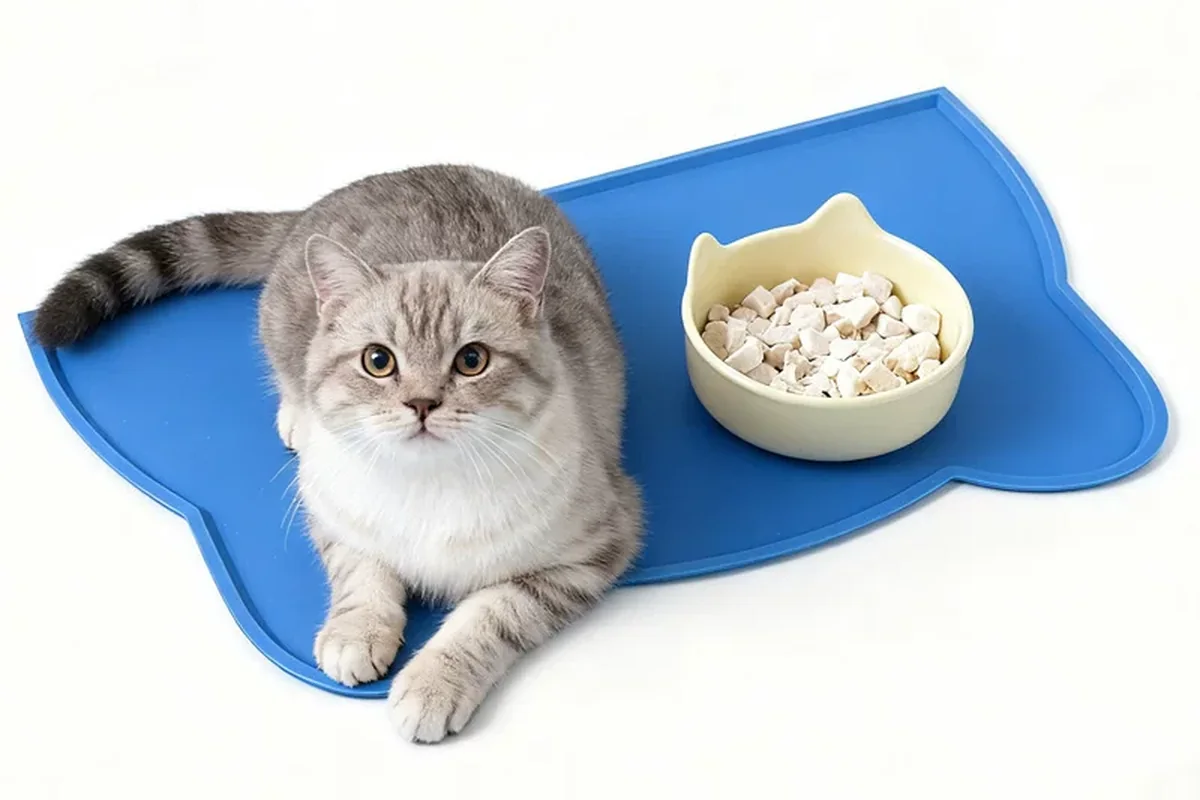
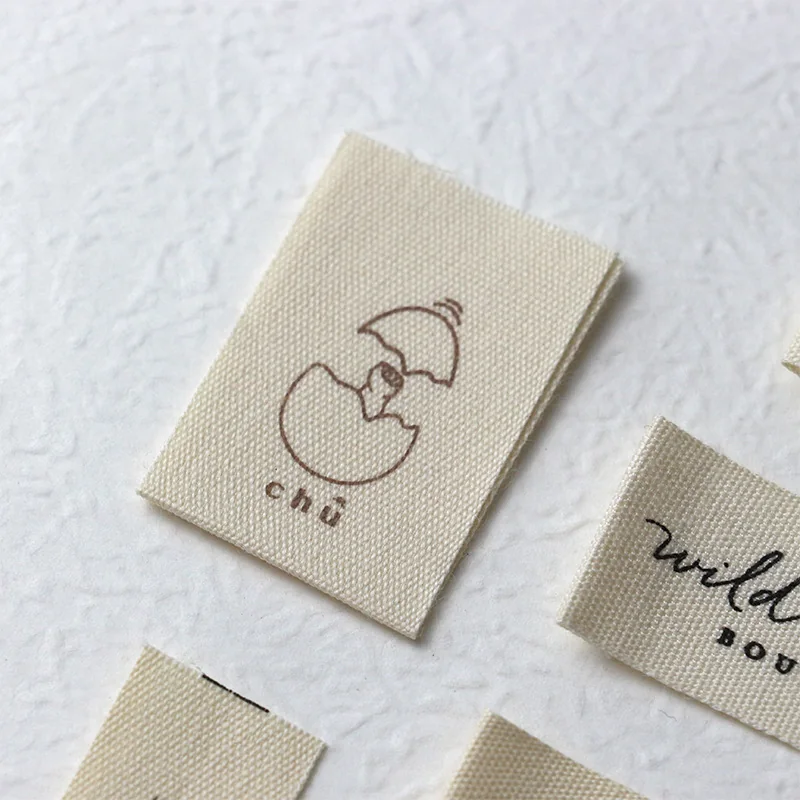
Most buyers start at level 2 and move up once a product proves itself. There is no reason to pay for a mould before you have tested the market.
Stock item, your brand on it.
Your box, stock product.
Change colour, size or material.
A new shape or mechanism.
| Level | What changes | MOQ | Tooling | Sample | Bulk lead time |
|---|---|---|---|---|---|
| 01 Label | Label, hang tag, barcode | 100 pcs | None | 3–5 days | 25–35 days |
| 02 Packaging | Box, insert, carton marks | 500 pcs | Plate fee, waived ≥1,000 | 5–7 days | 30–35 days |
| 03 Modified | Colour, size, material, hardware | 300–500 pcs | Occasionally | 5–7 days | 30–40 days |
| 04 Private mould | New shape or mechanism | 1,000+ pcs | USD 800–3,500 | 10–15 days | 40–55 days |
Figures are typical ranges; the exact terms appear on your quotation.
Each step ends with something you can check. Nothing moves forward until you approve it.
Send artwork, a reference photo or a competitor link. We tell you whether it can be made, at what level, and roughly what it costs.
A full FOB quotation with material spec, dimensions, packing and MOQ options at each customization level.
We return a die-line for your box or card and check your file for bleed, colour mode and barcode placement.
A physical sample is made and photographed from several angles. Two revision rounds are included in the sample fee.
You sign off the sample and the spec sheet. Production is booked against a written delivery date.
Production starts. An inspector checks the first output against the approved sample before the line runs to full quantity.
AQL 2.5 final inspection on the packed goods, then loading photographs before the container is sealed.
Sample fees are charged at cost and credited back against the bulk order. What you are really paying for is the ability to reject something before it becomes 5,000 pieces.
Bad artwork is the most common cause of a delayed first order. These four points cover almost every case.
AQL 2.5 on major defects is our default. You can tighten it — it changes the inspection cost, not the unit price.
| Defect class | AQL | What it covers | Action |
|---|---|---|---|
| Critical | 0 | Safety, sharp edges, electrical fault | Lot rejected |
| Major | 2.5 | Function, stitching, print alignment | Rework or re-inspect |
| Minor | 4.0 | Cosmetic marks, loose thread | Accepted and noted |
Sampling follows ISO 2859-1, single sampling, normal severity.
A photo helps, but a description of the use case and target quantity is enough to start.